Perception of News Headlines
A replication research study on fake news and the Illusory Truth Effect in social psychology.
- Role
- Researcher
- Team Members
- Team of 4
- Project Length
- Sep - Dec 2025
- Tools
- HTML, lab.js, Open Lab, SONA, Psychology
Overview
Why do we believe things we know aren't true? This project explored the Illusory Truth Effect (ITE) — the psychological phenomenon where repeating information makes it seem more credible. We conducted a two-part study: a direct replication of a study by Pennycook et al. (2018) and an original experimental extension testing how cognitive load (mental exhaustion) impacts our ability to spot misinformation.
The Challenge
In a polarized media landscape, misinformation often goes viral. We wanted to determine:
- Direct Replication: Can we recreate the finding that a single exposure to a fake headline increases its perceived truthfulness?
- Conceptual Replication: Does being "mentally taxed" (high cognitive load) make us more susceptible to this effect, especially when the news aligns with our political biases?
Study 1: The Replication
We performed a direct replication of Pennycook et al. (2018), testing how warning labels and prior exposure affect accuracy ratings of 2016-era political headlines.
- Participants: 147 undergraduate students.
- Method: A mixed factorial design using "sharing motivation" as an encoding tool.
The results: While we found significant effects for exposure (repetition) and news type (real vs. fake), our manipulation check for "familiarity" failed. This provided a crucial learning moment regarding vague question wording and how internet culture has changed since the original 2018 study.
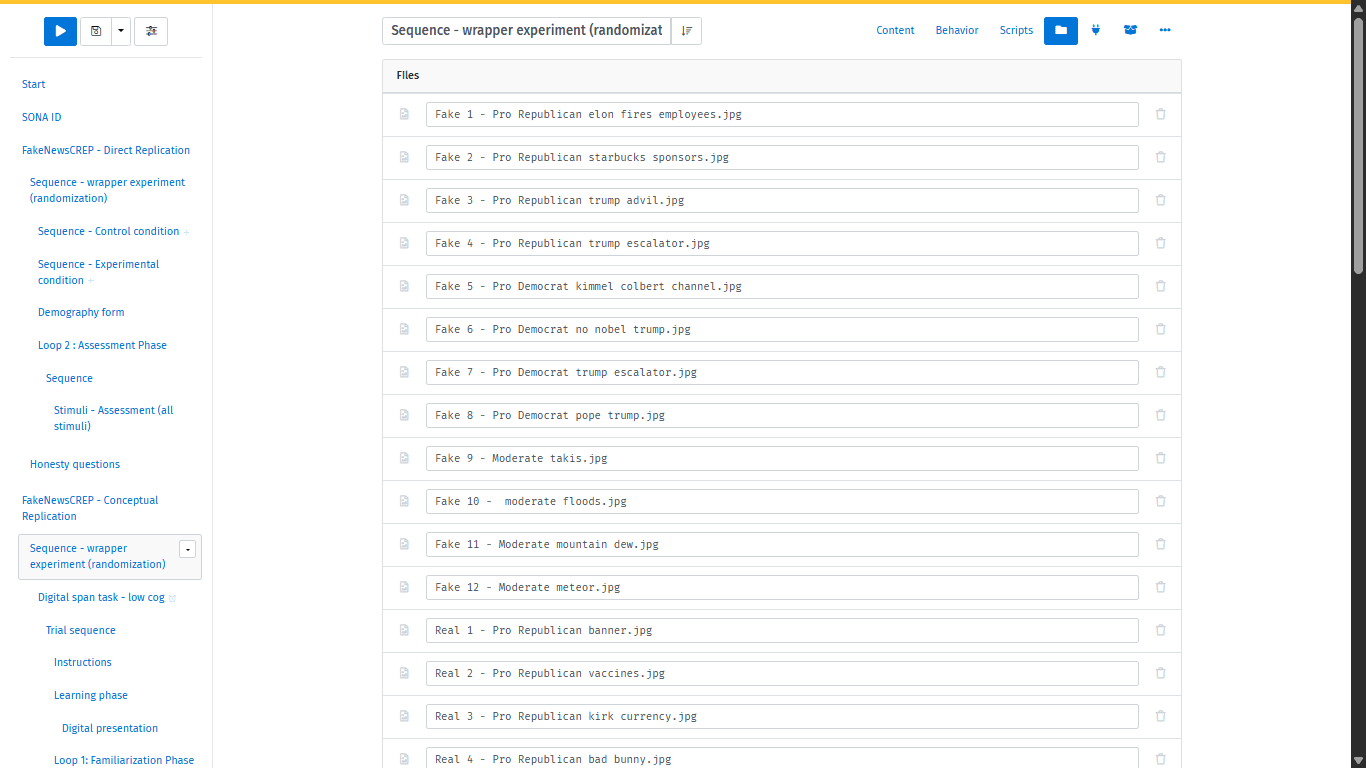
Our stimuli, uploaded to lab.js:
Study 2: The Extension (Our Original Design)
For our second study, we designed a new experiment to see if cognitive load can break down our shield against misinformation.
We introduced a Digit-String Memorization Task to induce cognitive load:
- Low Load: Memorizing 2 digits.
- High Load: Memorizing 7 digits.
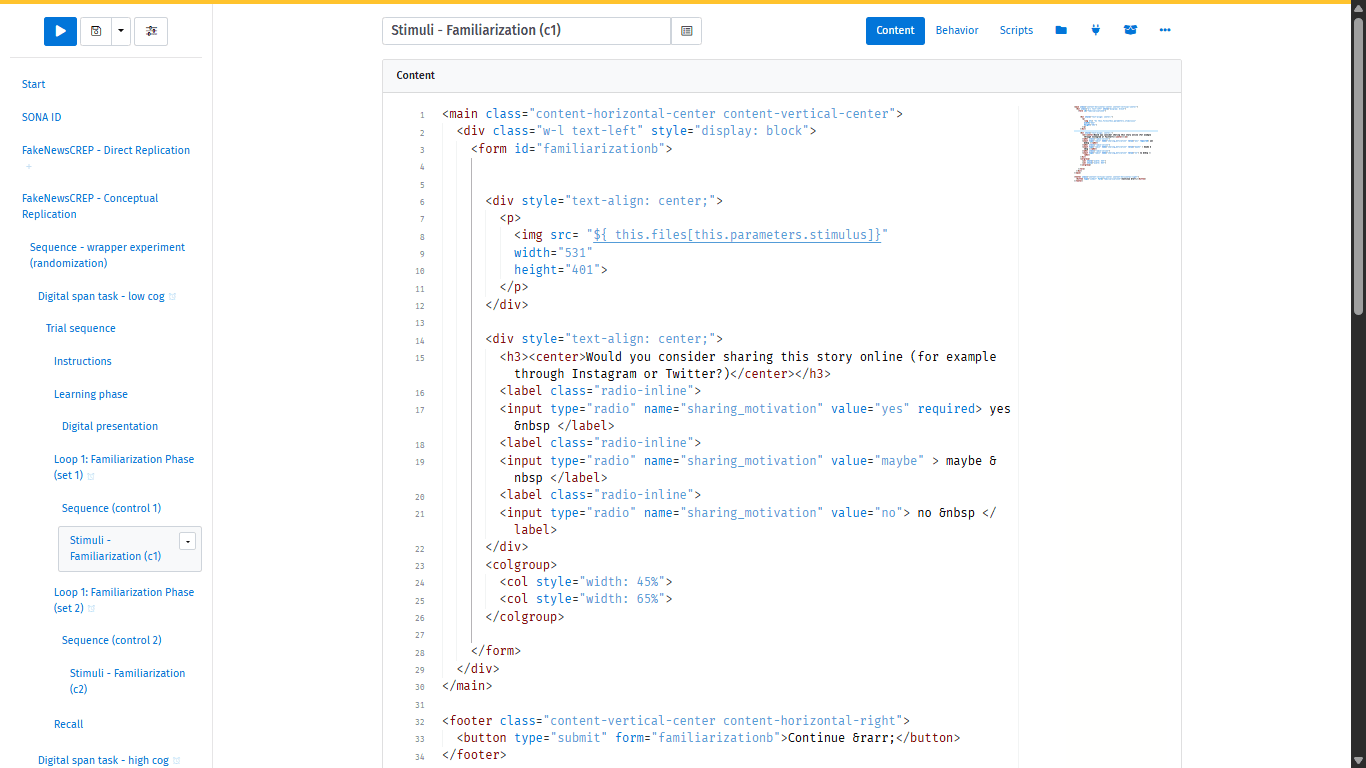
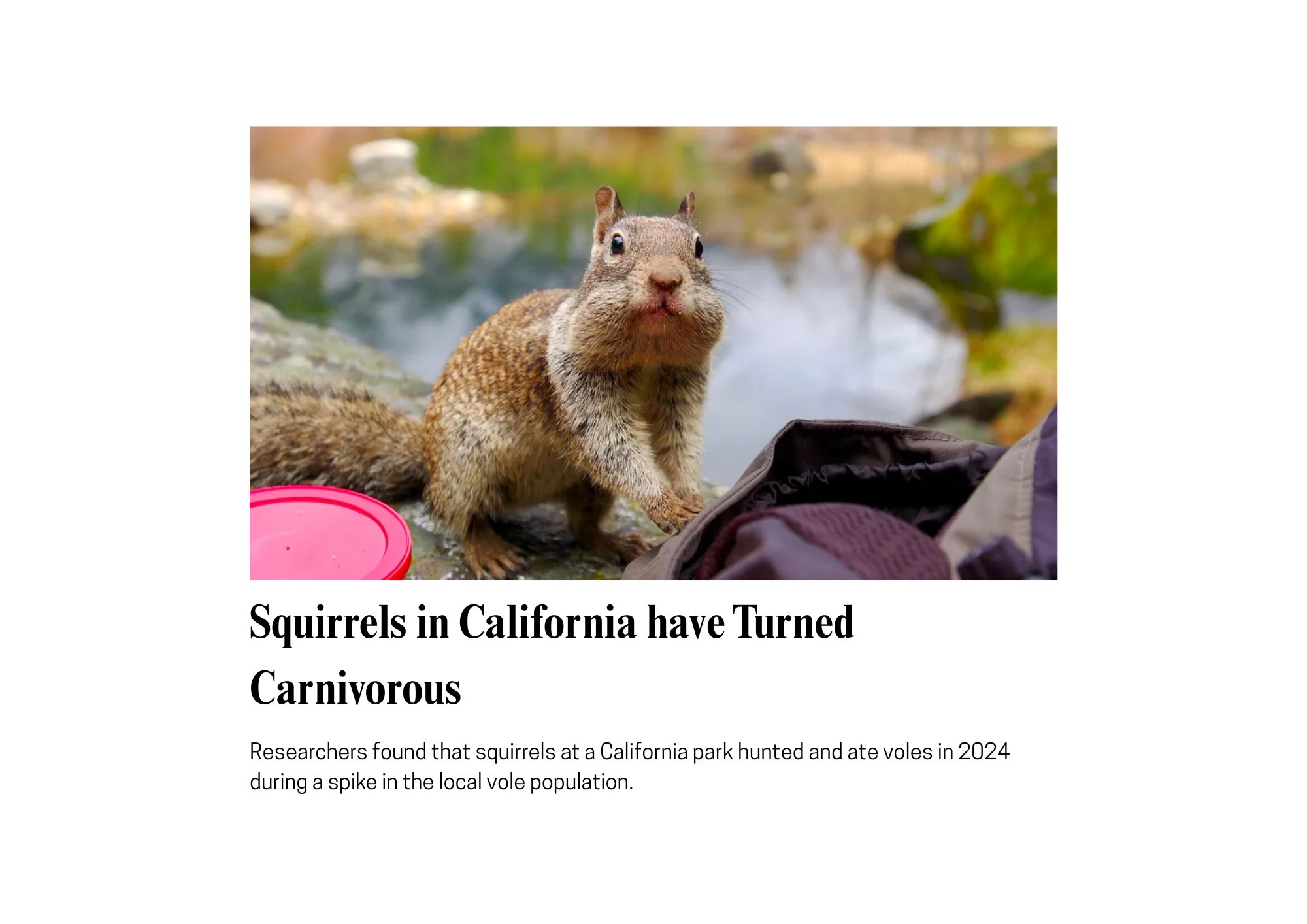
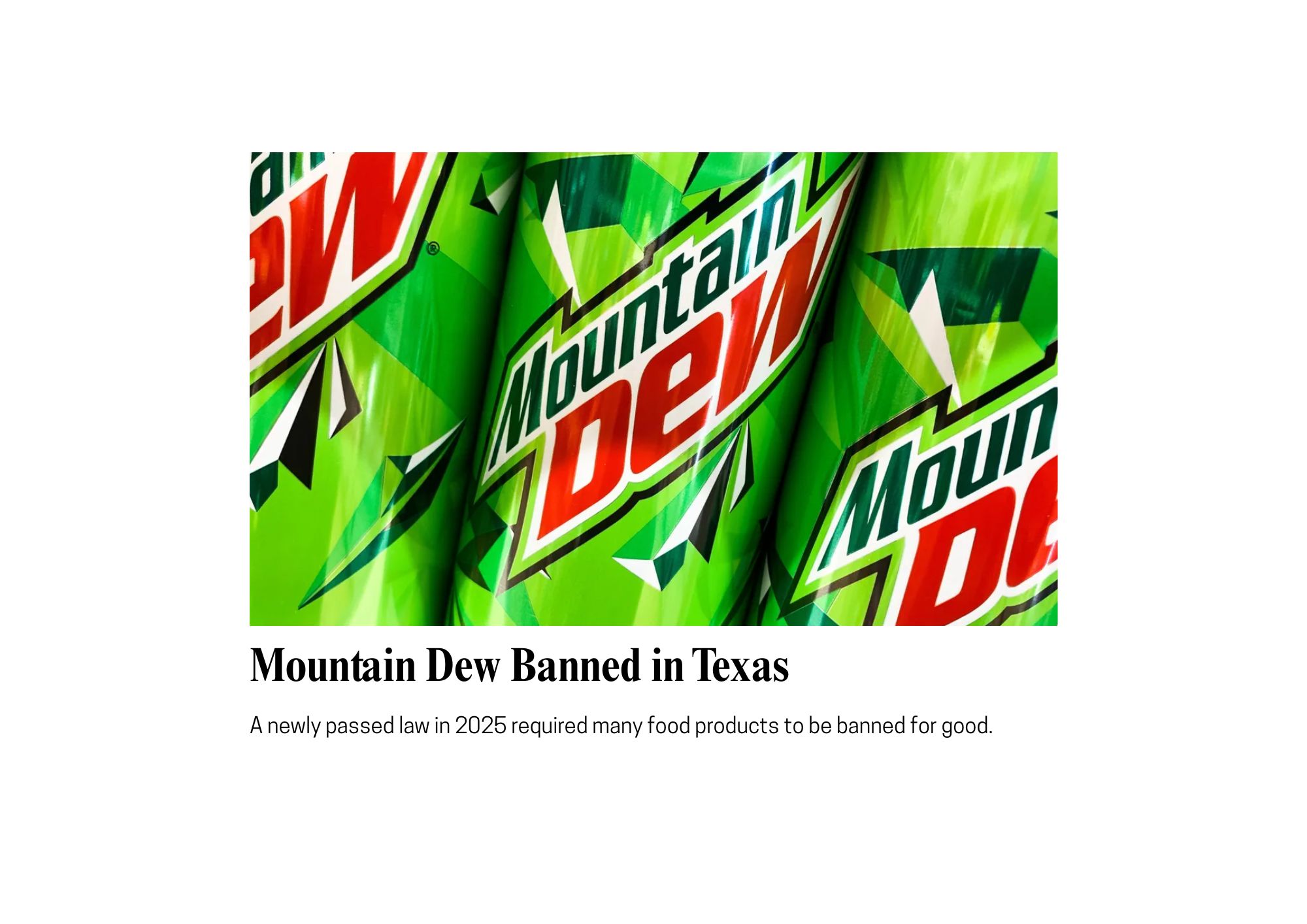
Stimuli Design: We updated the news headlines and removed news sources (like Fox News or CNN) to eliminate source bias and focus purely on the content and repetition.
Key Finding: High cognitive load did not significantly change accuracy ratings. This suggests the Illusory Truth Effect is incredibly robust, operating as a "heuristic" (mental shortcut) that happens regardless of how much effort you are putting into thinking.
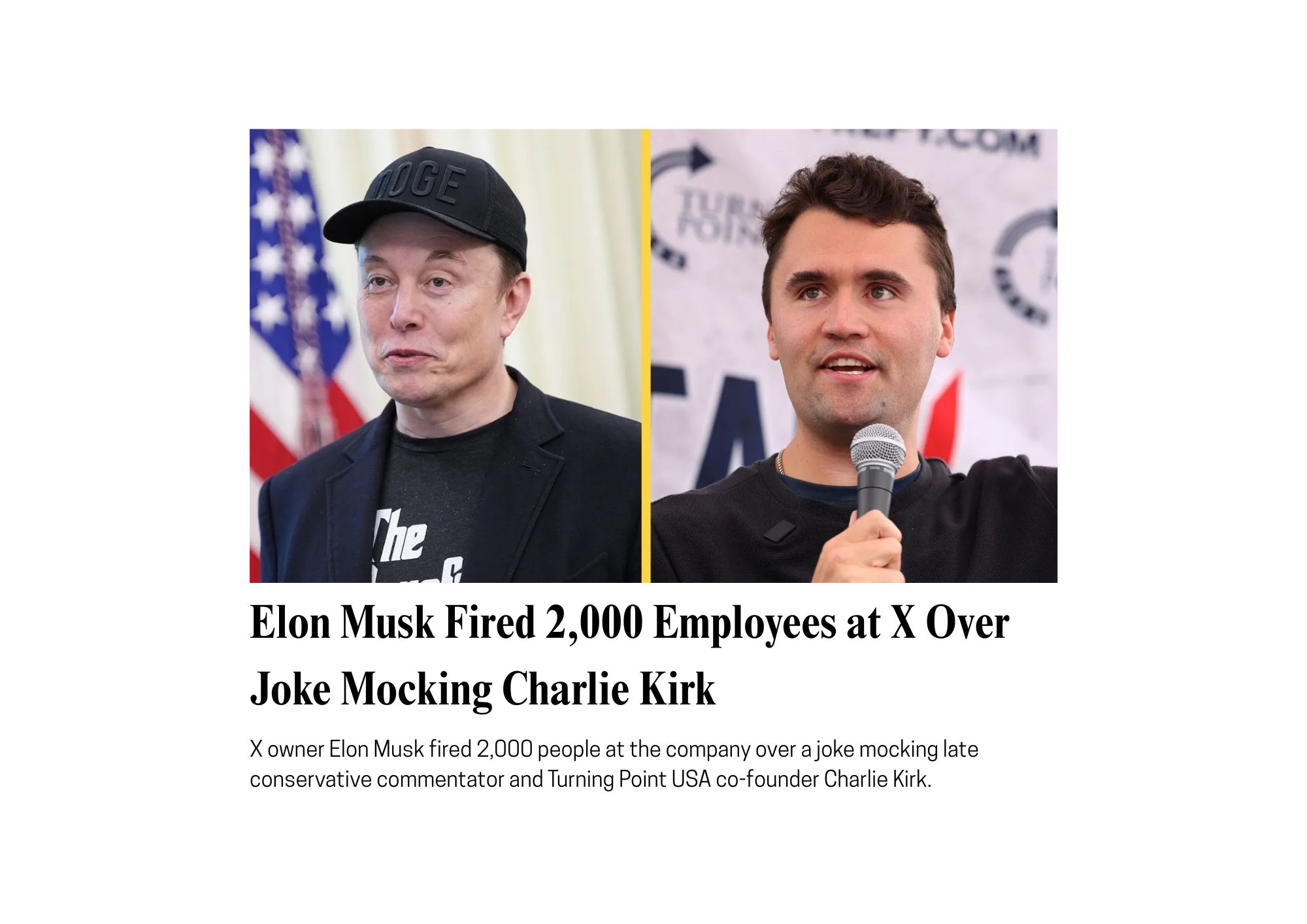
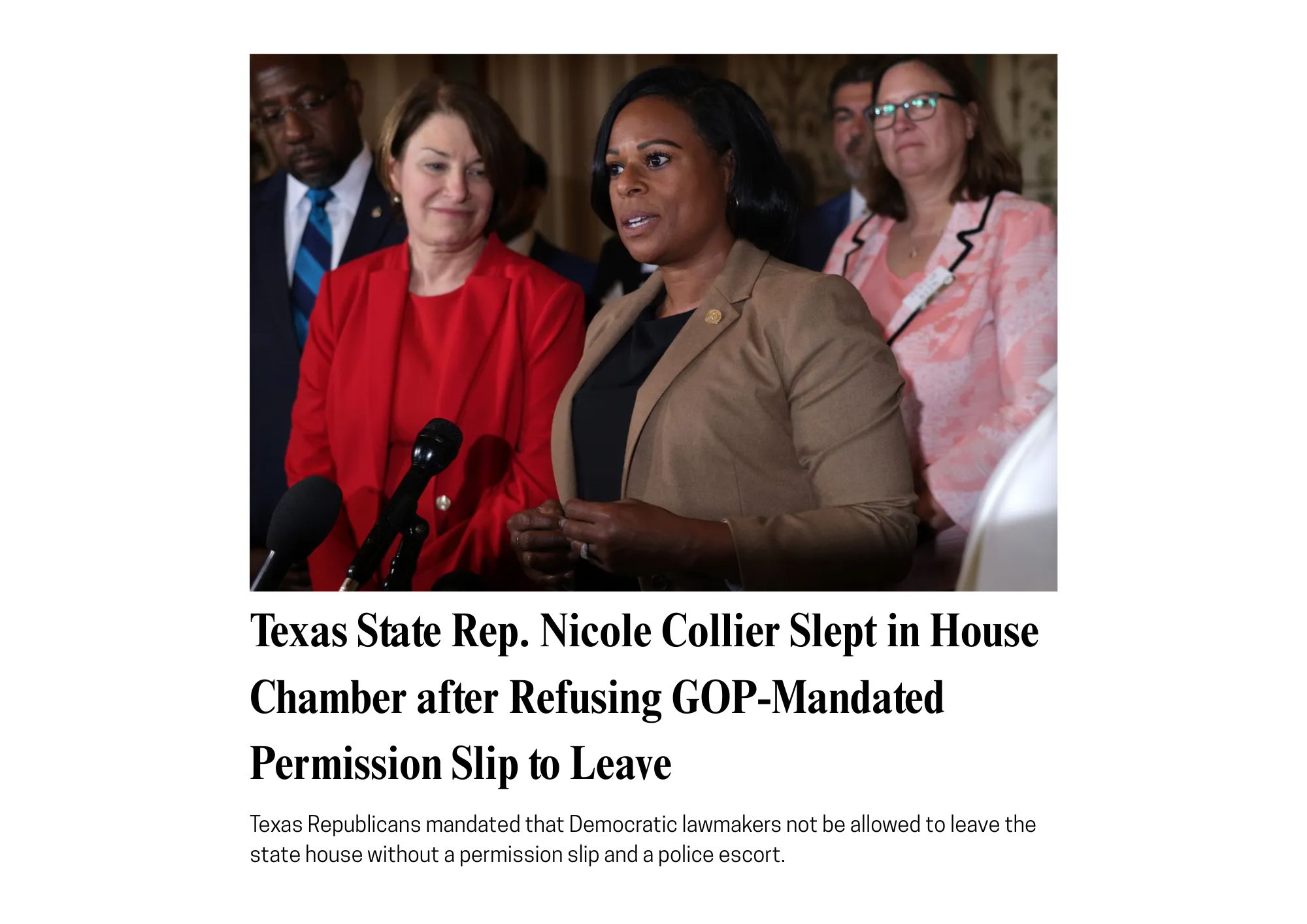
Sample stimuli:


Technical Skills Demonstrated
- Experimental Design: Developed a 2x2x3 ANOVA design to measure interactions between news type (fake/real), exposure (seen/novel), and cognitive load (low/medium/high).
- Data Analysis: Conducted manipulation checks and multi-way ANOVAs using statistical software to interpret complex interaction effects.
- Ethics & Operations: Managed recruitment via the SONA system, ensured ethical compliance, and preregistered hypotheses to maintain research integrity.
- Stimuli Development: Created simulated news environments to maintain ecological validity.